Lenses for driving
The most important lens for driving is an up-to-date distance prescription, kept clean and scratch-free. Tints and polarized lenses can help in bright daylight, but nothing dark should be worn at night.
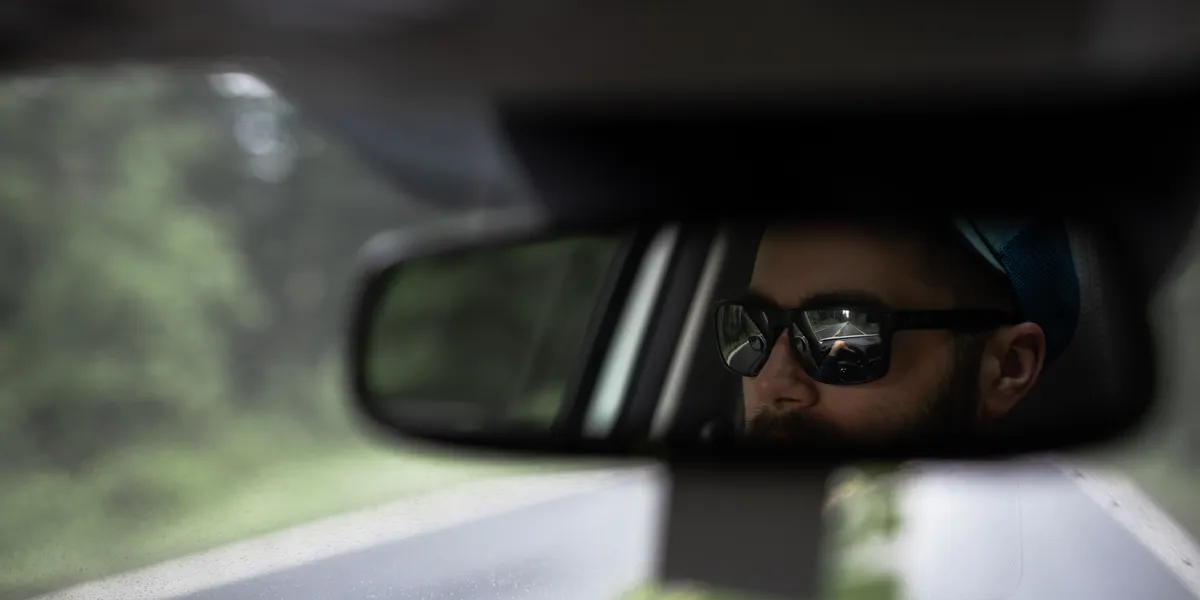
Start with the right prescription
Driving uses your distance vision. If road signs look soft or you strain to read number plates, book an eye test before choosing lenses. Scratched or smeared lenses scatter light and make glare worse.
Daytime glare
Polarized sunglasses reduce glare reflected from wet roads and car bonnets. Some dashboard and phone screens look dark through them, so check your displays when you first drive with a new pair.
Night driving
Do not wear sunglasses or tinted lenses at night. An anti-reflective coating can reduce reflections from headlights, but no lens makes night driving safer on its own.
Frames for driving
Choose a frame with slim temples so your side vision is not blocked when you check mirrors or look over your shoulder. A deeper lens gives a wider view of the road, and adjustable nose pads help the frame stay put on long drives.
Keep a spare
If you need glasses to drive, keep a spare pair or your previous glasses in the car. A lost or broken pair should not leave you without legal or comfortable vision on the road.
Related guides
Polarized lenses
How polarization reduces glare.
Photochromic lenses
Why they darken less in the car.
Aviator glasses
A frame shape made for the road.
Driving lens questions
Do photochromic lenses work while driving?
Only a little. Most windscreens block the ultraviolet light that makes them darken, so a tinted or polarized pair is the better choice behind the wheel.
Are yellow night-driving glasses useful?
There is no good evidence that yellow lenses improve night vision, and any tint lets less light in.
Should my driving glasses be single vision?
For many people, yes. Progressive wearers can drive using the upper distance zone.
Find your next frame
Compare shapes and measurements, then explore suitable lens options.
Shop eyeglasses